Introduction: The Enduring Role of Surface Warfare
Naval surface vessels have long been the backbone of maritime power projection, serving as floating fortresses that dominate oceans, protect trade routes, and deter adversaries. From the age of sail to the missile era, these ships have evolved dramatically, adapting to technological advancements and shifting geopolitical landscapes. In 2025, as tensions rise in regions like the Indo-Pacific and the Arctic, surface combatants remain critical for maintaining sea control and supporting joint operations. The global naval vessels market, valued at over $110 billion in recent years, is projected to grow steadily, driven by modernization programs, rising defense budgets, and the integration of cutting-edge technologies such as hypersonics, directed energy weapons, and unmanned systems.
Today’s fleets blend traditional manned platforms with emerging autonomous capabilities, creating hybrid forces capable of distributed operations across vast theaters.
Aircraft Carriers: Symbols of Global Reach
At the pinnacle of naval surface power stand aircraft carriers, massive platforms that extend air dominance far beyond national shores. These floating airbases enable rapid response to crises, supporting everything from humanitarian aid to high-intensity conflict. The United States maintains supremacy with its Nimitz and Ford-class carriers, nuclear-powered behemoths displacing over 100,000 tons and carrying up to 90 aircraft. The Gerald R. Ford class incorporates electromagnetic catapults and advanced arresting gear, enhancing sortie rates and reducing maintenance needs.
Other nations are expanding their carrier capabilities as well. China’s Fujian, its third and most advanced carrier, features electromagnetic launch systems rivaling American technology, signaling ambitions for blue-water operations. France’s Charles de Gaulle and the United Kingdom’s Queen Elizabeth class demonstrate European commitment to carrier strike groups, while India’s Vikrant and emerging programs in Turkey and South Korea reflect a global proliferation. Carriers are not just offensive tools; they provide persistent presence, deterring aggression through visible strength.
Destroyers and Cruisers: Multi-Role Powerhouses
Destroyers and cruisers form the versatile core of modern surface fleets, equipped for air defense, anti-submarine warfare, and strike missions. The U.S. Navy’s Arleigh Burke-class destroyers, with over 70 in service and more under construction in Flight III configuration, exemplify this multi-role ethos. Armed with the Aegis combat system, vertical launch cells for missiles, and advanced radars, these ships excel in ballistic missile defense and integrated air warfare.
China’s Type 055 destroyers, often compared to cruisers due to their 12,000-ton displacement and 112 vertical launch cells, integrate stealth features and powerful sensors, bolstering carrier escort and power projection.
Russia’s aging but potent Kirov-class battlecruisers and Slava-class vessels continue to pose threats, while newer projects emphasize hypersonic integration. European navies, including the UK’s Type 45 and France’s Horizon-class, prioritize air defense, often operating in multinational task groups.
Frigates and Smaller Combatants: Agile Defenders
Frigates bridge the gap between high-end destroyers and patrol vessels, offering cost-effective multi-mission capabilities for littoral operations and escort duties. The U.S. Navy, facing delays with the Constellation-class program, shifted in late 2025 to the FF(X) small surface combatant, derived from the proven Legend-class cutter design. This agile platform emphasizes modularity, unmanned integration, and rapid production to bolster fleet numbers amid growing demands.
Other notable classes include Europe’s FREMM frigates, operated by France and Italy, known for stealth and anti-submarine prowess, and Australia’s Hunter-class, based on the British Type 26, focusing on acoustic quieting. Asian navies field advanced designs like South Korea’s Incheon-class and Japan’s Mogami-class, incorporating unmanned vehicle launch capabilities.
Emerging Technologies: Hypersonics, Energy Weapons, and Autonomy
Modern surface vessels are transforming through revolutionary weaponry. Hypersonic missiles, traveling at speeds exceeding Mach 5, challenge traditional defenses and enable rapid strikes.
Russia’s Zircon and China’s equivalents are already operational, while the U.S. integrates Conventional Prompt Strike systems on Zumwalt-class destroyers. Directed energy weapons, including lasers for countering drones and missiles, promise unlimited magazines at low cost per shot.
Unmanned surface vessels (USVs) represent the most disruptive trend. Programs like the U.S. Navy’s Modular Attack Surface Craft and DARPA’s Defiant class aim for fully autonomous platforms capable of intelligence, surveillance, reconnaissance, and strike missions.
These attritable assets enable distributed lethality, overwhelming adversaries with swarms while reducing risk to manned ships.
## Challenges and the Path Forward
Despite advancements, navies face hurdles: escalating costs, shipbuilding delays, cyber vulnerabilities, and the need for sustainable propulsion amid environmental concerns. Hybrid electric systems and green technologies are gaining traction, balancing operational demands with efficiency.
In 2025, as great-power competition intensifies, surface vessels must adapt to contested environments, integrating AI for decision-making and resilient communications. The future lies in hybrid fleets—manned flagships supported by unmanned adjuncts—ensuring dominance in an era of multi-domain warfare.
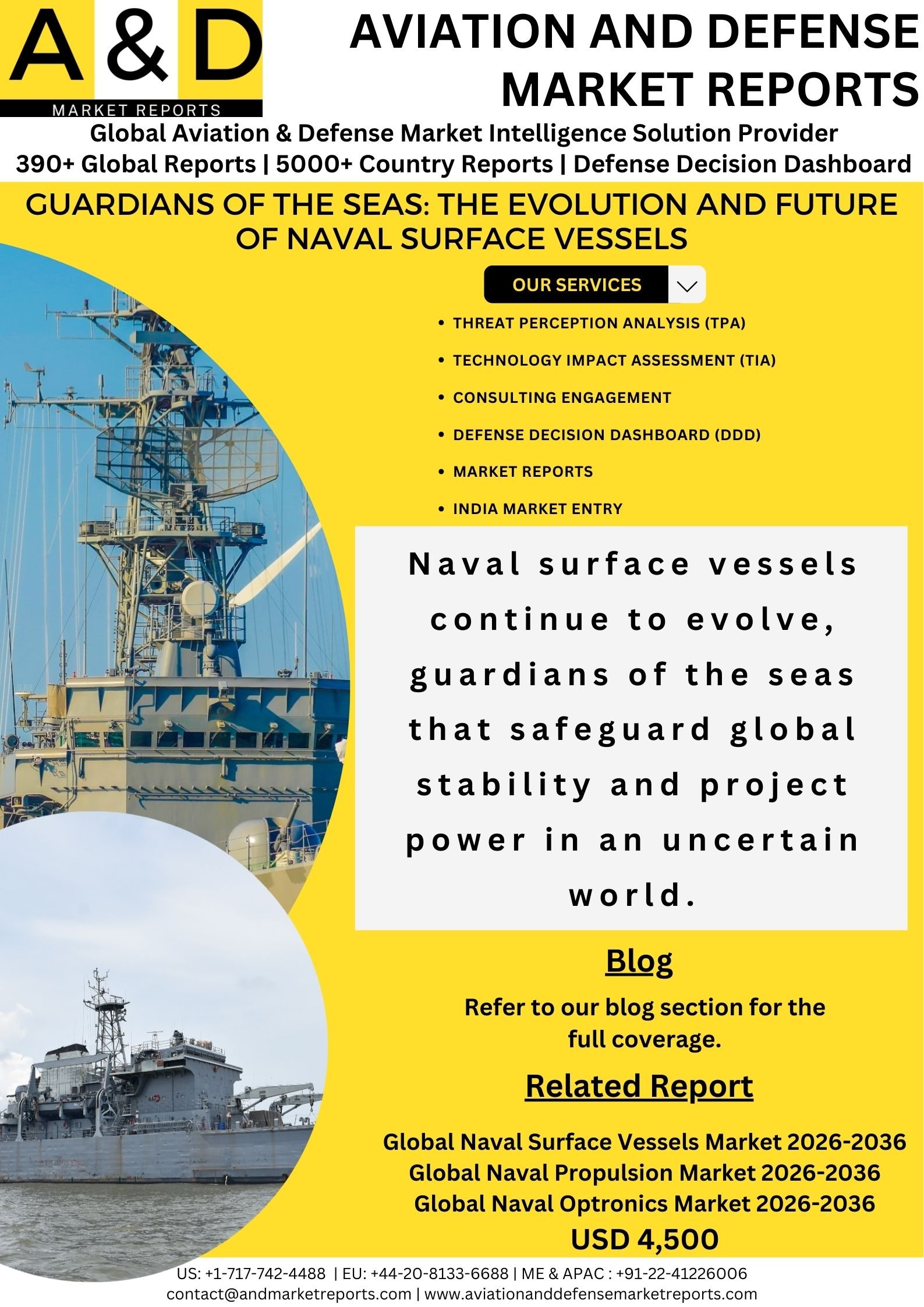
Naval surface vessels continue to evolve, guardians of the seas that safeguard global stability and project power in an uncertain world.