When we think of naval power, the image that usually comes to mind is one of motion and might: aircraft carriers slicing through the Pacific, submarines lurking silently in the deep, or destroyers launching precision missiles. However, the true measure of a navy’s strength is not just the technology it possesses, but the availability of that technology when it is needed most. This availability hinges on a complex, often unglamorous, but strategically vital process known as MRO: Maintenance, Repair, and Overhaul.
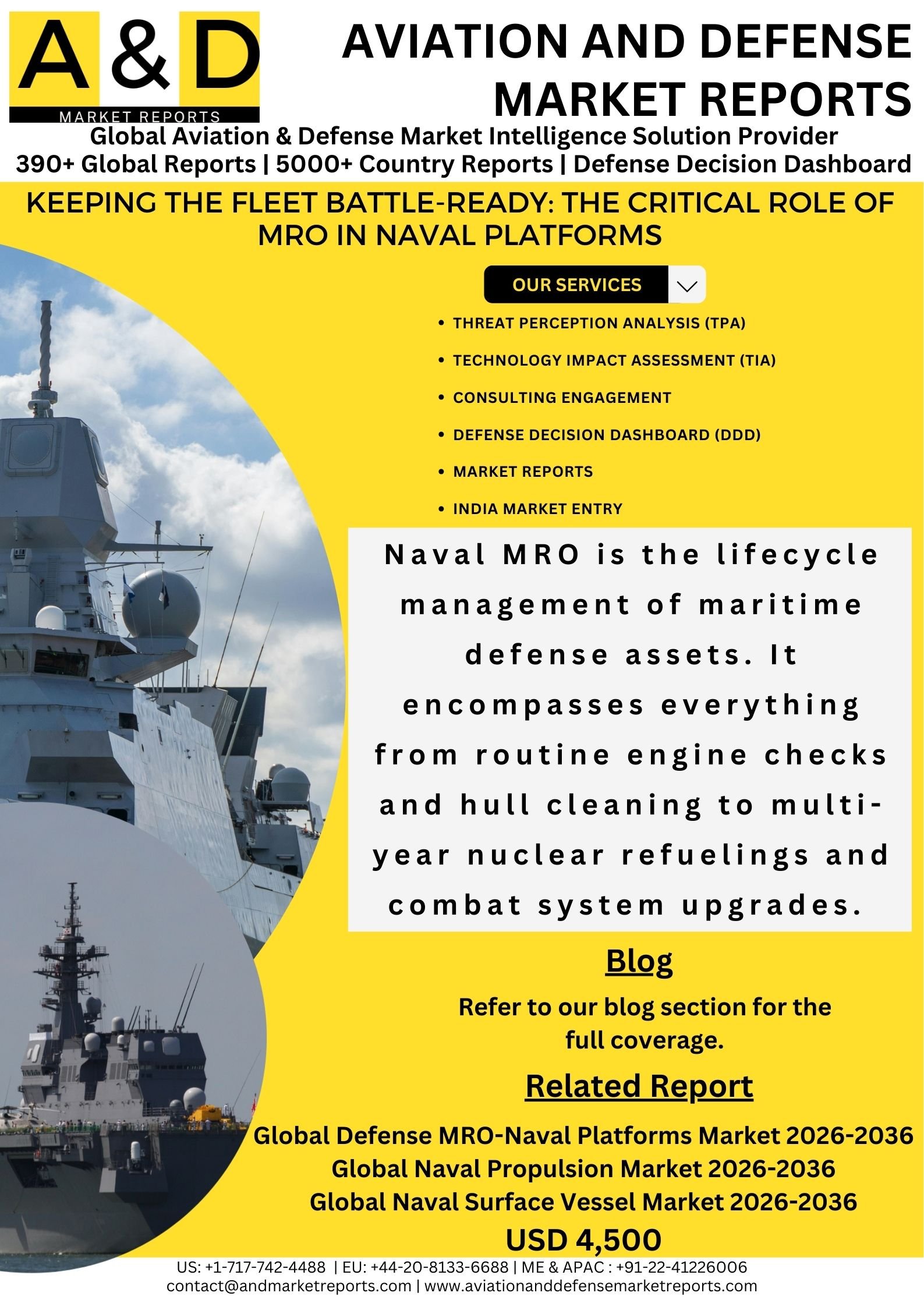
Naval MRO is the lifecycle management of maritime defense assets. It encompasses everything from routine engine checks and hull cleaning to multi-year nuclear refuelings and combat system upgrades. In an era of great power competition and evolving maritime threats, the efficiency of a nation’s naval MRO infrastructure is as critical as the ships themselves.
The Backbone of Naval Readiness
The primary goal of naval MRO is operational readiness. A warship is a massive investment, often costing billions of dollars and taking years to build. However, a ship that is docked for repairs is a ship that cannot patrol sea lanes, deter aggression, or project power. Navies aim for a specific “operational availability” rate, but this is constantly threatened by wear and tear.
Saltwater corrosion, mechanical fatigue, and the sheer stress of high-tempo operations degrade platforms rapidly. Without a robust MRO schedule, a fleet suffers from a “readiness gap.” This occurs when too many vessels are simultaneously in the shipyard, leaving gaps in coverage. Effective MRO planning ensures a staggered cycle where a sufficient portion of the fleet is always deployable. Furthermore, MRO extends the service life of vessels. With modern budgets constraining new construction, extending a destroyer’s life from 35 to 40 years through comprehensive overhauls is a cost-effective strategy to maintain fleet mass.
The Ecosystem of Naval MRO
Naval MRO is not merely a technical task; it is an industrial ecosystem. It relies on a triad of infrastructure, supply chain, and human capital.
Infrastructure: The physical backbone consists of dry docks, piers, and shipyards. These facilities must be capable of handling vessels of varying sizes, from small patrol boats to supercarriers. In many nations, there is a delicate balance between public naval shipyards and private defense contractors. Public yards often handle complex nuclear work and heavy overhauls, while private yards may handle lighter maintenance or specialized upgrades.
Supply Chain: A ship is composed of millions of parts. MRO requires a resilient supply chain to deliver everything from microchips for radar systems to massive turbine blades. Disruptions in this chain can leave a vessel in “dead status” for months, waiting for a single component. Post-pandemic global logistics challenges have highlighted the fragility of these supply lines, pushing navies to stockpile critical spares and diversify suppliers.
Workforce: Perhaps the most critical asset is the skilled workforce. Naval MRO requires specialized welders, nuclear engineers, electricians, and cyber experts. As the current generation of shipyard workers retires, there is a global race to recruit and train the next generation. Without skilled hands, the best dry docks in the world are useless.
Naval MRO: Modern Challenges in Naval Sustainment
Despite its importance, the MRO sector faces significant headwinds. The first is the complexity of modern platforms. Yesterday’s warships were mechanical; today’s are floating data centers. Integrating new software, cyber-hardening systems, and upgrading sensors during a maintenance period requires a different skillset than traditional steelwork. This increases the time and cost of maintenance periods.
Secondly, many naval fleets are aging. Operating vessels beyond their intended design life requires more frequent and intensive repairs. This creates a “maintenance bow wave,” where deferred maintenance accumulates because the fleet is too busy operating to take the time for repairs. When the bill finally comes due, it is often financially overwhelming and takes ships offline for longer than anticipated.
Budgetary constraints also play a role. MRO is often viewed as an operational cost rather than an investment. In tight fiscal years, maintenance budgets are easy targets for cuts, leading to a false economy where short-term savings result in long-term capability loss. Additionally, geopolitical tensions can strain MRO capabilities. If a navy is deployed heavily for crisis response, ships return with more wear and less time scheduled for repair, creating a vicious cycle of degradation.
Future of Naval MRO : Digitalization and Innovation
To overcome these challenges, the naval MRO sector is undergoing a digital transformation, often referred to as “MRO 4.0.”
Predictive Maintenance: Instead of fixing things when they break or servicing them on a rigid schedule, navies are moving toward condition-based maintenance. By installing IoT sensors across ship systems, engineers can monitor vibration, heat, and performance in real-time. AI algorithms analyze this data to predict failures before they happen. This allows maintenance to be performed just in time, reducing unnecessary downtime and preventing catastrophic failures at sea.
Digital Twins: Shipyards are creating “digital twins” of physical vessels. These virtual replicas allow engineers to simulate maintenance procedures, test part fittings, and plan workflows in a virtual environment before a worker ever touches the ship. This reduces errors and speeds up the overhaul process.
Additive Manufacturing: 3D printing is revolutionizing the supply chain. Instead of waiting weeks for a spare part to be shipped from a warehouse, shipyards can print certified metal parts on demand. This is particularly useful for legacy ships where original manufacturers no longer exist.
Sustainability: Environmental regulations are also shaping MRO. New hull cleaning technologies and non-toxic coating systems are being developed to reduce the environmental impact of ship maintenance while improving fuel efficiency through reduced drag.
Conclusion
In the grand strategy of national defense, the spotlight often shines on new hulls and advanced weaponry. Yet, the silent engine of naval power is the Maintenance, Repair, and Overhaul infrastructure. It is the discipline that keeps the steel giants afloat and the weapons systems functional.
As maritime domains become more contested, the ability to sustain a fleet will determine the outcome of conflicts as much as the ability to fight. Investing in modern shipyards, securing supply chains, and embracing digital technologies are not just logistical necessities; they are strategic imperatives. A navy that cannot maintain its ships is a navy that cannot hold the sea. Therefore, the future of naval dominance will be built not just on the drawing boards of designers, but in the dry docks of the world’s MRO hubs. Ensuring these platforms are ready, resilient, and reliable is the ultimate guarantee of maritime security.